120 million € fine for X and misunderstandings
X has been fined under the DSA for a lack of transparency. Many, including government officials, wrongfully call this censorship. The aftermath is interesting to see. Find out what is actually happening.
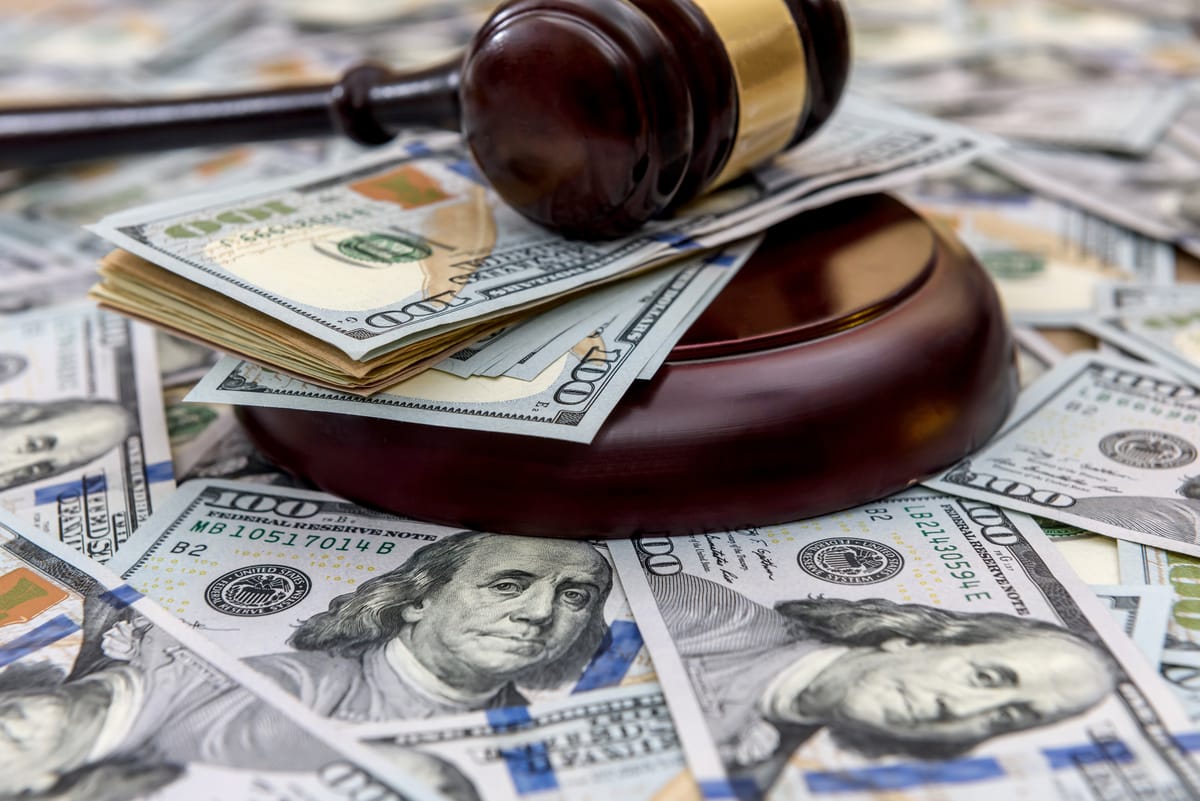
On December 5th 2025, the European Commission fined X (formerly Twitter) 120 million (~ 140 million USD currently) for violating the Digital Services Act (DSA). On the same day, they published a short press release explaining their reasoning. This article will cover the reasons and present the following clash between people on X and the EU.
Reasons for the fine
The first point from the fine seems quite reasonable, as I have been irritated by this change myself. It concerns the blue checkmark, which has been reserved for accounts with a large following in the past, so everyone can easily identify their real profile. For influencers and organizations, this helped people distinguish their actual account from impersonators, thus possibly avoiding scams. When Elon Musk bought Twitter and enabled a paid plan, suddenly everyone could be verified by the previously prestigious blue checkmark. You must meet some simple eligibility criteria (e.g., a phone number and no recent user handle changes) but, most importantly, you have to be an X premium subscriber (X help article, archive). When introducing this change, they also announced that previously verified accounts could lose their status, increasing the risk of impersonation. The EU argues that X didn't meaningfully verify the account's owner, which lead to users not being able to judge the authenticity of accounts, despite the verified label. This deception is not allowed under the DSA.
Secondly, their advertisements, according to the European Commission, lack transparency. Unless you have researched specific ads or advertisers for whatever reason, this likely wasn't apparent to you. A quick summary: It was hard to use their ad repository, meant to show who was running which ads. Also, the repository lacked information such as the legal entity paying for ads. By limiting the access to such information, researchers and individuals are less able to judge the authenticity of suspicious ads.
On the topic of researchers, X didn't provide researchers access to the platform's public data. On top of that, they specifically forbid scraping public data in any form, for any purpose (X Terms of Service, archive). Furthermore, the commision alleges, the process for researchers to obtain this public data officially imposes unnecessary barriers.
Aftermath
Even before the announcement, current US Vice President JD Vance accused the EU of engaging in censorship, which Elon Musk agreed on. The reason for explaining the European Comission's judgement previously should be apparent now. If you actually read the announcement, you will see that the EU had a problem with the lack of transparency by X, which is required under the DSA for very large platforms. Their reasoning doesn't include any kind of concerns regarding content or moderation on X. Instead, deceptive practices and a lack of publicly accessible data were problematic.
While the top comments under these posts (e.g., also on a post by US Secretary of State Marco Rubio) mostly agree with their points about censorship, some criticism can be seen. I wouldn't recommend you to spend too long reading through them, as many almost seem like rage-bait. But that is besides the point. Proof of this not being about censoring individuals' freedom of speech comes from TikTok. On December 5th, the European Commission announced that they would be dropping a very similar investigation with TikTok as the perpetrator. They made binding commitments to ensure more transparency in their ads, thus avoiding a fine. You can read this yourself if you want to, but the point is that no kind of censorship is involved in this specific instance. So, at least for now, the criticism by prominent figures isn't warranted.
A very unexpected event happened when the EU's account was barred from placing any ads (Source, BBC). According to Nikita Bier, they exploited a loophole where they would show a video as an ad (for the announcement of the fine), which, upon clicking it, immediately opened their website. I personally remember many ads that used to do this very thing, where you simply couldn't pause the video because it would redirect you to the advertisers' page. This glitch is now patched but must have existed for a long time in their ad platform. You should have your own opinion on this, but I personally find it too harsh to ban their accounts from placing any future ads. Especially since I kind of expect video ads to work this way. Maybe it is problematic because it looked like a normal post? At least they won't be able to spend more money on this in the future, so that's a win.
What happens now?
Starting with the announcement, X has 60 working days to figure out specific measures they will implement to make the blue checkmark less deceptive. Within 90 working days, they have to address the concerns regarding ad transparency. Following this, another two months may pass before the Commission will set a deadline for an implementation of the specified measures. If X fails to comply, periodic fines may be enforced instead.
If there are significant updates to this story, I will try to update this article as well. Such a large fine is interesting to see, especially with this kind of backlash. Let's hope that X makes the necessary changes to benefit users and researchers.